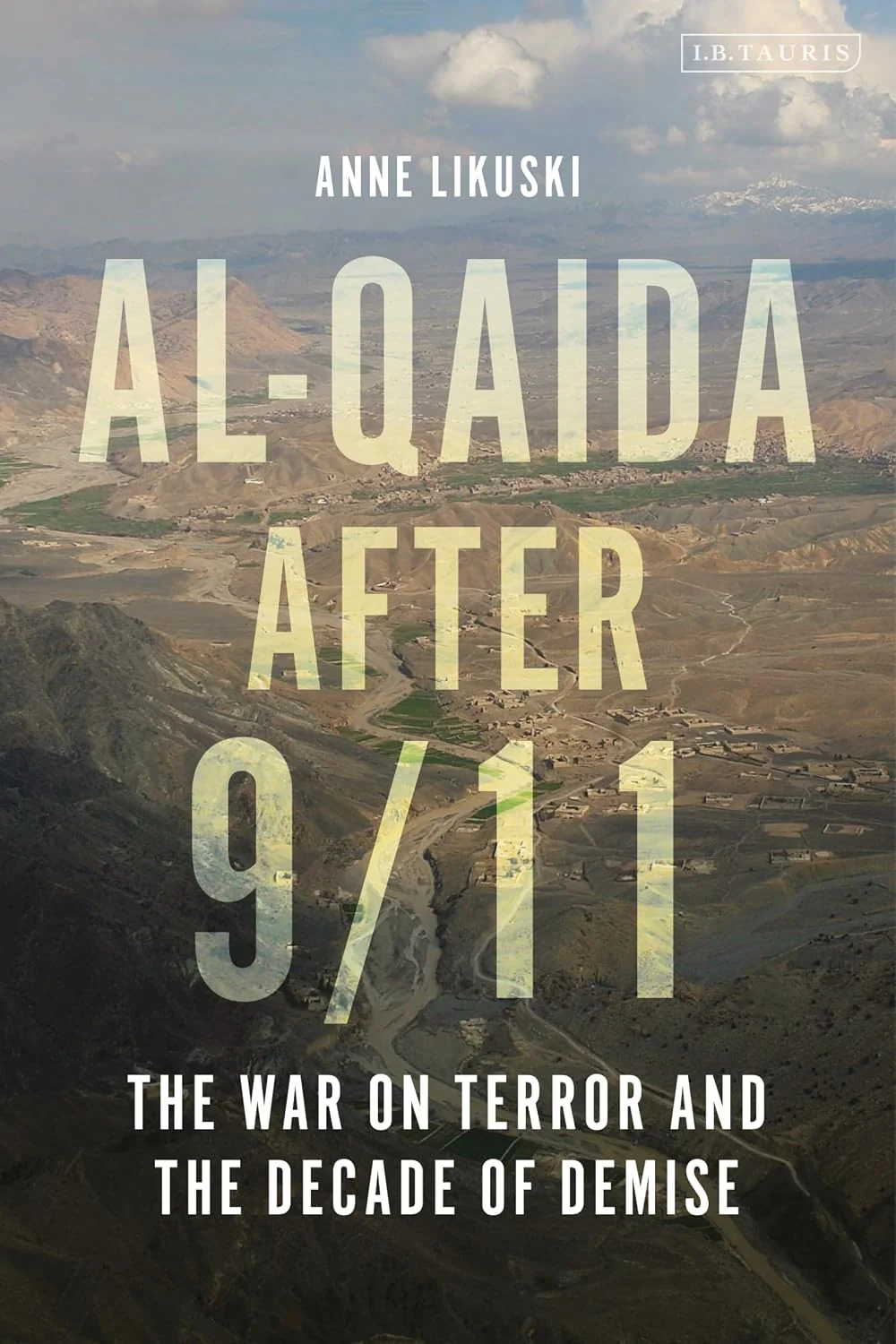
Al-Qaida after 9/11
How did the War on Terror impact Al-Qaida in the decade after 9/11? This is the first book to analyse the inner workings of the group through the eyes of its mid-level leaders in Pakistan, who were, in practice, running Al-Qaida’s affairs when communications with Osama bin Laden were slow or absent.
The book relies on a large collection of little-known Arabic primary sources about Al-Qaida, including the "Abbottabad documents"—the group’s own internal communications between 2002-2011. Al-Qaida after 9/11 assesses Al-Qaida’s performance in three areas: the war in Afghanistan, the war in Iraq, and international terrorism. Chapters explain why the group’s contributions to the Afghan war were modest, show the reasons for Al-Qaida’s inability to influence events in Iraq, and chart its fading ability to organise international terrorist attacks.
The Abbottabad documents reveal that Al-Qaida’s demise after 9/11 was not simply the result of effective counterterrorism. Rather, the group’s organisational weaknesses and the fallibilities of individual leaders played a vital role. The book gives us the first glimpse into the instances where bin Laden’s lack of strategy meant Al-Qaida’s mid-level leadership had to grapple with the consequences. It also documents the detrimental impact of the relationship between Al-Qaida and the Taliban.
Description
How did the War on Terror impact Al-Qaida in the decade after 9/11? This is the first book to analyse the inner workings of the group through the eyes of its mid-level leaders in Pakistan, who were, in practice, running Al-Qaida’s affairs when communications with Osama bin Laden were slow or absent.
The book relies on a large collection of little-known Arabic primary sources about Al-Qaida, including the "Abbottabad documents"—the group’s own internal communications between 2002-2011. Al-Qaida after 9/11 assesses Al-Qaida’s performance in three areas: the war in Afghanistan, the war in Iraq, and international terrorism. Chapters explain why the group’s contributions to the Afghan war were modest, show the reasons for Al-Qaida’s inability to influence events in Iraq, and chart its fading ability to organise international terrorist attacks.
The Abbottabad documents reveal that Al-Qaida’s demise after 9/11 was not simply the result of effective counterterrorism. Rather, the group’s organisational weaknesses and the fallibilities of individual leaders played a vital role. The book gives us the first glimpse into the instances where bin Laden’s lack of strategy meant Al-Qaida’s mid-level leadership had to grapple with the consequences. It also documents the detrimental impact of the relationship between Al-Qaida and the Taliban.