Dibia’s World: Life on an Early Sugar Plantation
Dibia’s World: Life on an Early Sugar Plantation tells the story of Dibia, who was educated in Africa, stolen across the sea, and sold into slavery. He spent the rest of his life on a sugar plantation, working with Agoüya, drinking Aboré’s rum, marrying Izabelle, and having a son named Paul.
This book paints a vivid picture of the community he lived in with a hundred others in a colonial outpost of the Caribbean. It offers a detailed depiction of the everyday life of enslaved Africans and Native Americans, highlighting their names, relationships, skills, health, and interactions, as they contended with and resisted their enslavement.
Most studies of plantation life focus on well-established colonies in the century before abolition. However, Dibia’s World provides a counterpoint by showcasing the founding population of an African-American community during the early years of the industrial sugar plantation complex.
Drawing on a planter’s manuscript, shipping records, missionary accounts, and seventeenth-century scraps of paper, Dibia’s World will appeal to specialists as well as general readers interested in the early Atlantic world, Creole societies, slavery, and African-American history.
Original: $87.04
-65%$87.04
$30.46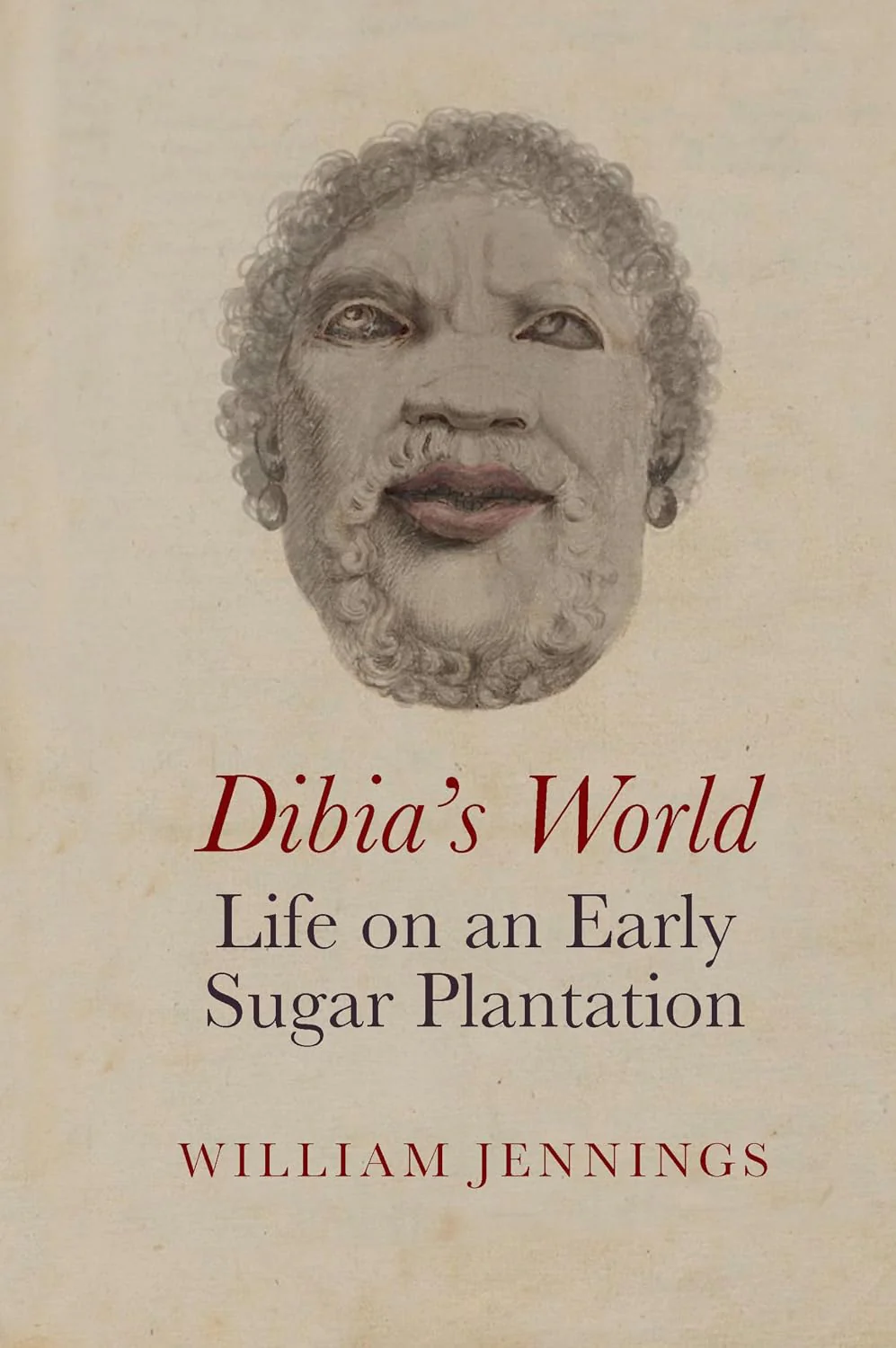
Description
Dibia’s World: Life on an Early Sugar Plantation tells the story of Dibia, who was educated in Africa, stolen across the sea, and sold into slavery. He spent the rest of his life on a sugar plantation, working with Agoüya, drinking Aboré’s rum, marrying Izabelle, and having a son named Paul.
This book paints a vivid picture of the community he lived in with a hundred others in a colonial outpost of the Caribbean. It offers a detailed depiction of the everyday life of enslaved Africans and Native Americans, highlighting their names, relationships, skills, health, and interactions, as they contended with and resisted their enslavement.
Most studies of plantation life focus on well-established colonies in the century before abolition. However, Dibia’s World provides a counterpoint by showcasing the founding population of an African-American community during the early years of the industrial sugar plantation complex.
Drawing on a planter’s manuscript, shipping records, missionary accounts, and seventeenth-century scraps of paper, Dibia’s World will appeal to specialists as well as general readers interested in the early Atlantic world, Creole societies, slavery, and African-American history.