Education for Sustainable Development in an Unequal World
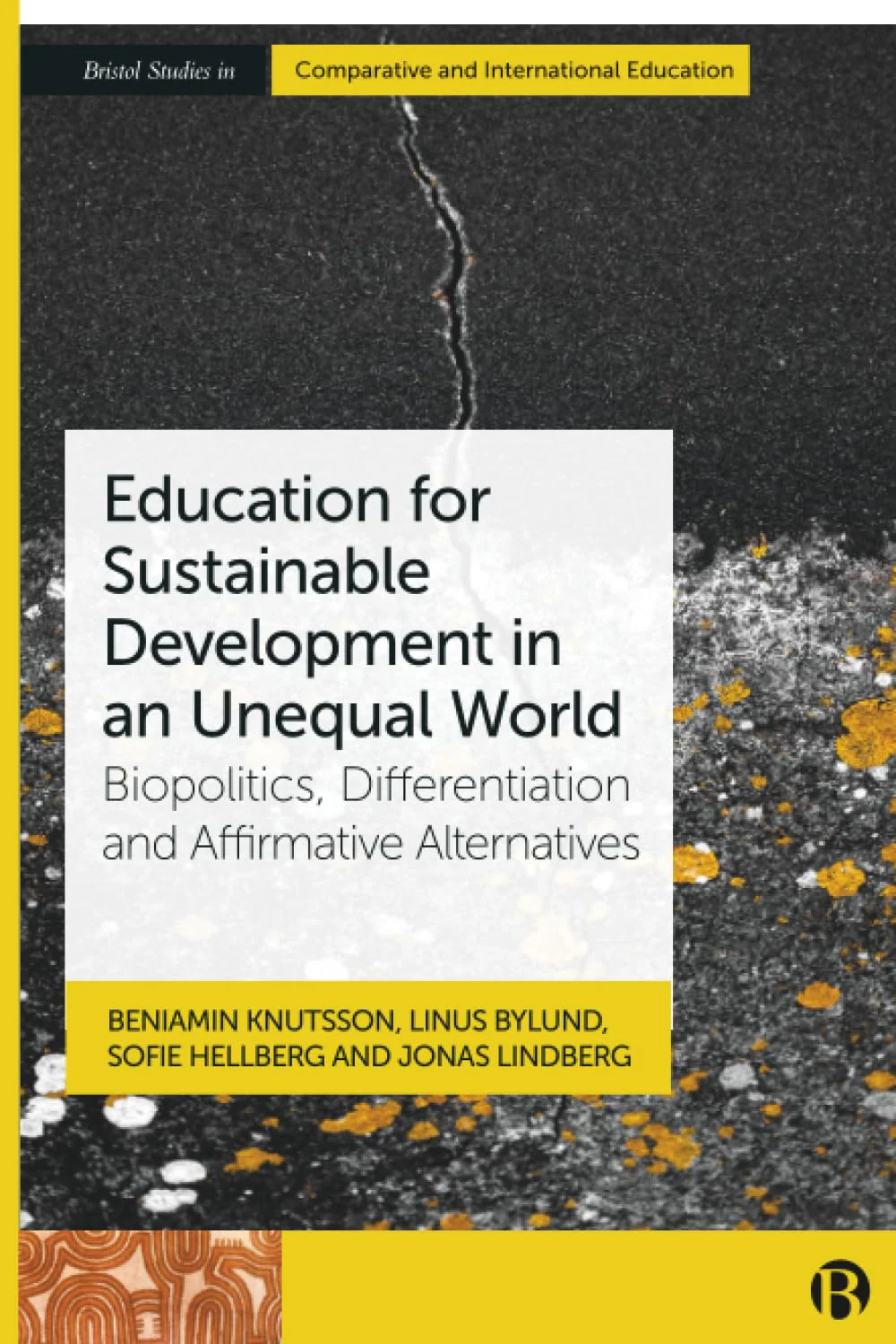
Education for Sustainable Development in an Unequal World is recurrently depicted as an enterprise that unites humanity in a common pursuit of a more just and sustainable world. But how is this enterprise pursued on a planet that is enormously unequal? Drawing on biopolitical theory and rich empirical data from different contexts around the world, this book explores how Education for Sustainable Development (ESD) is unpacked depending on whether people are rich or poor.
The book demonstrates how ESD is adapted to the lifestyles and living conditions of different populations. The implication of this depoliticised sensitivity to local 'realities', the book argues, is that inequality becomes accommodated and that different responsibilities are assigned to rich and poor. Ultimately, the book considers alternatives to this biopolitical divide.
Description
Education for Sustainable Development in an Unequal World is recurrently depicted as an enterprise that unites humanity in a common pursuit of a more just and sustainable world. But how is this enterprise pursued on a planet that is enormously unequal? Drawing on biopolitical theory and rich empirical data from different contexts around the world, this book explores how Education for Sustainable Development (ESD) is unpacked depending on whether people are rich or poor.
The book demonstrates how ESD is adapted to the lifestyles and living conditions of different populations. The implication of this depoliticised sensitivity to local 'realities', the book argues, is that inequality becomes accommodated and that different responsibilities are assigned to rich and poor. Ultimately, the book considers alternatives to this biopolitical divide.