Gender and Political Identities in Scotland, 1919-1939
This work offers a unique contribution to gender and Scottish history, breaking new ground on several fronts: there is no history of inter-war women in Scotland, very little labour or popular political history, and virtually nothing published on women, the home, and family.
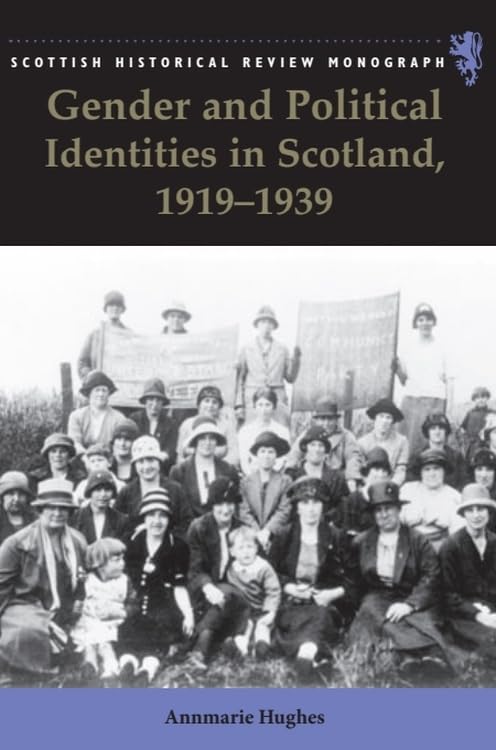
Gender and Political Identities in Scotland, 1919-1939 is a history of women during this period, integrating class and gender history and linking the public and private spheres. Using a gendered approach to history, it transforms and shifts our knowledge of the Scottish past, unearthing the previously unexplored role women played in inter-war socialist politics, the General Strike, and popular political protest.
The book re-evaluates these areas and demonstrates the ways in which gender shaped the experience of class and class struggle. Importantly, it also explores the links between the public and private spheres and addresses the concept of masculinity as well as femininity, paying particular reference to domestic violence.
The strength of the book lies in its illumination of the complex interconnections of culture, economic, and social structure. Although based on Scottish evidence, it uses material to address key debates in gender history and labour history with wider relevance. This will appeal to gender historians, labour historians, social and cultural historians, as well as social scientists.
Description
This work offers a unique contribution to gender and Scottish history, breaking new ground on several fronts: there is no history of inter-war women in Scotland, very little labour or popular political history, and virtually nothing published on women, the home, and family.
Gender and Political Identities in Scotland, 1919-1939 is a history of women during this period, integrating class and gender history and linking the public and private spheres. Using a gendered approach to history, it transforms and shifts our knowledge of the Scottish past, unearthing the previously unexplored role women played in inter-war socialist politics, the General Strike, and popular political protest.
The book re-evaluates these areas and demonstrates the ways in which gender shaped the experience of class and class struggle. Importantly, it also explores the links between the public and private spheres and addresses the concept of masculinity as well as femininity, paying particular reference to domestic violence.
The strength of the book lies in its illumination of the complex interconnections of culture, economic, and social structure. Although based on Scottish evidence, it uses material to address key debates in gender history and labour history with wider relevance. This will appeal to gender historians, labour historians, social and cultural historians, as well as social scientists.