Learning in a Time of Division
The US Secretary of Education highlighted the "Raise the Bar: Lead the World" call to action, which was then the slogan of the US Department of Education, in an interview hosted by The Atlantic. Cardona took part in a convening of activists, policymakers, industry leaders, and pioneers working to close multiple equity divisions across various indicators. While Cardona’s focus during the interview was on the situation in the United States, the conditions for learning that he discussed surely resonate in international contexts, where dedicated educators are also keen to raise the bar and lead the world.
Such an ambitious call to action would be challenging during a time of consensus. Yet, our contemporary educational context, both nationally and internationally, is characterised by divisions of perspectives regarding the causes of and remedies for student achievement and discipline disparity, in addition to a raft of mental health and well-being issues. Further, there are unresolved concerns over who can teach what and to whom in the wake of legislative initiatives. One could be excused for suggesting that, in the contemporary field of education, we are uncertain about where we are and where we are going, but there is no shortage of ideas about what to do next.
The authors whose work is showcased in Learning in a Time of Division: School-University-Community Research in Education share how their practice as educators has enshrined viable ideas about how to bridge divisions and facilitate learning, thereby contributing to reuniting a polarised world.
Original: $190.44
-65%$190.44
$66.65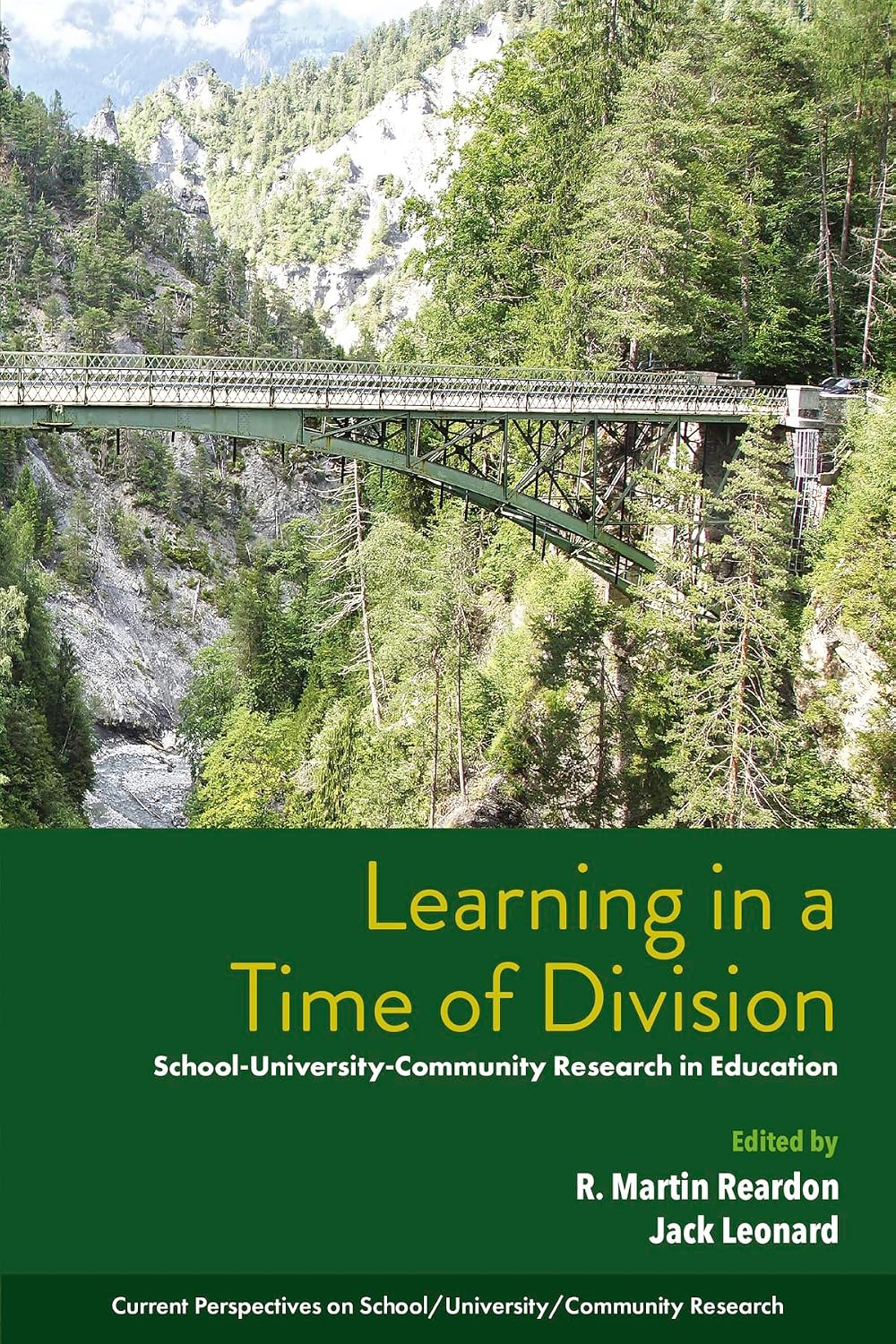
Description
The US Secretary of Education highlighted the "Raise the Bar: Lead the World" call to action, which was then the slogan of the US Department of Education, in an interview hosted by The Atlantic. Cardona took part in a convening of activists, policymakers, industry leaders, and pioneers working to close multiple equity divisions across various indicators. While Cardona’s focus during the interview was on the situation in the United States, the conditions for learning that he discussed surely resonate in international contexts, where dedicated educators are also keen to raise the bar and lead the world.
Such an ambitious call to action would be challenging during a time of consensus. Yet, our contemporary educational context, both nationally and internationally, is characterised by divisions of perspectives regarding the causes of and remedies for student achievement and discipline disparity, in addition to a raft of mental health and well-being issues. Further, there are unresolved concerns over who can teach what and to whom in the wake of legislative initiatives. One could be excused for suggesting that, in the contemporary field of education, we are uncertain about where we are and where we are going, but there is no shortage of ideas about what to do next.
The authors whose work is showcased in Learning in a Time of Division: School-University-Community Research in Education share how their practice as educators has enshrined viable ideas about how to bridge divisions and facilitate learning, thereby contributing to reuniting a polarised world.