Occidentalism and the Egyptian Novel
Occidentalism and the Egyptian Novel examines Occidentalism, or the set of cultural, literary and political uses of ‘the West’, in the works of canonical 20th and 21st century Egyptian novelists. Beginning with the writings of Muhammad Husayn Haykal, Lorenzo Casini traces the way that imaginaries and representations of the West became bound up with the notions of modernity and national identity with which Egyptian novelists grappled, from the works of Tawfiq al-Hakim to those of Taha Husayn.
The book also explores the trope of the European woman as an embodiment of the free, modern, seductive West as an essential facet of Occidentalism in this formative period.
The second part of the book examines the ways in which later novelists— from Latifa al-Zayyat and Yusuf Idris, to Radwa Ashur and Ahdaf Soueif— subverted dominant Occidentalist themes as a way of re-examining concepts of personal, political, and national identity. The author argues that these later novelists reacted to the changing political circumstances in Egypt, from Nasser’s rule and the slide to authoritarianism to the 2011 Revolution, to envisage different kinds of Egyptian political community with a more complicated and less binary relationship with the imagined West.
Original: $81.20
-65%$81.20
$28.42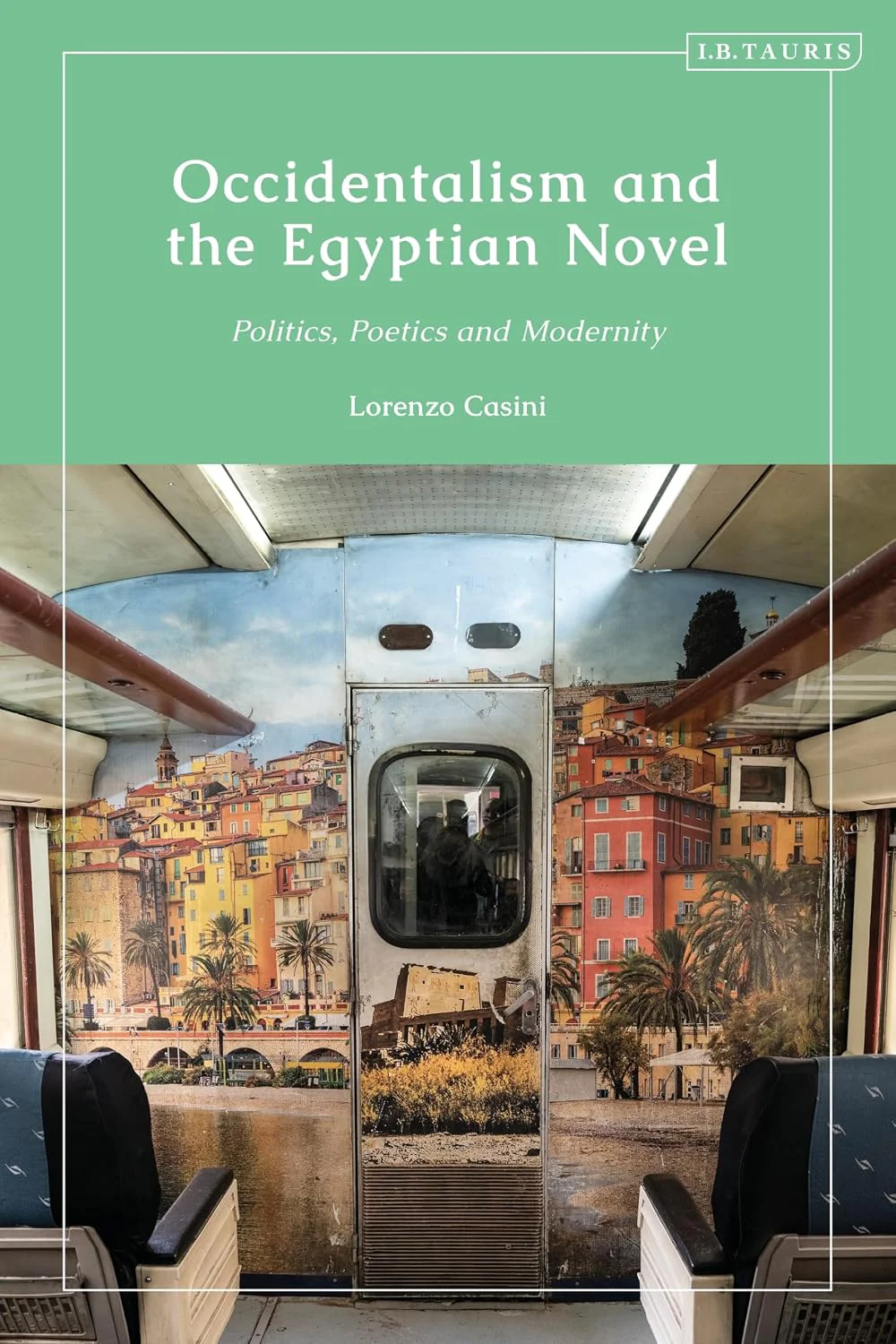
Description
Occidentalism and the Egyptian Novel examines Occidentalism, or the set of cultural, literary and political uses of ‘the West’, in the works of canonical 20th and 21st century Egyptian novelists. Beginning with the writings of Muhammad Husayn Haykal, Lorenzo Casini traces the way that imaginaries and representations of the West became bound up with the notions of modernity and national identity with which Egyptian novelists grappled, from the works of Tawfiq al-Hakim to those of Taha Husayn.
The book also explores the trope of the European woman as an embodiment of the free, modern, seductive West as an essential facet of Occidentalism in this formative period.
The second part of the book examines the ways in which later novelists— from Latifa al-Zayyat and Yusuf Idris, to Radwa Ashur and Ahdaf Soueif— subverted dominant Occidentalist themes as a way of re-examining concepts of personal, political, and national identity. The author argues that these later novelists reacted to the changing political circumstances in Egypt, from Nasser’s rule and the slide to authoritarianism to the 2011 Revolution, to envisage different kinds of Egyptian political community with a more complicated and less binary relationship with the imagined West.