Polyoxometalate Chemistry
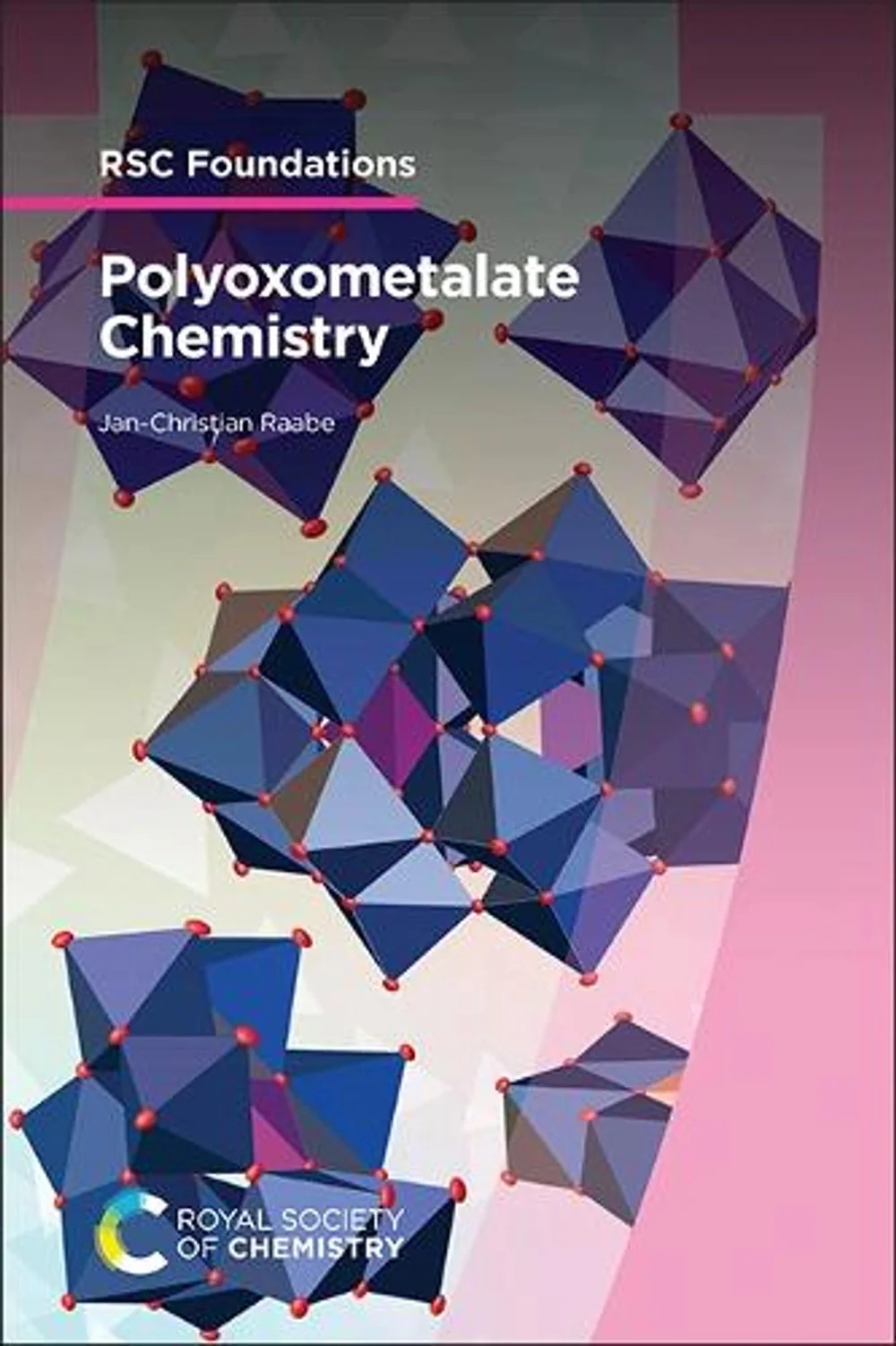
Polyoxometalate Chemistry delves into the fascinating world of polyoxometalates (POMs), a well-established family of metal–oxygen clustered compounds. Renowned for their unique properties uncovered over the last century, POMs have paved the way for advancements in catalysis, reaction technology, biochemistry, and biomedicine.
Due to their solubility in water, an environmentally friendly solvent, these materials are pivotal in sustainable and green chemistry processes and play a vital role in combating various diseases. The solubility of POMs is customizable for specific applications by selecting the appropriate cation, and they can be manufactured on a large scale.
This concise book is designed to bring PhD students and post-docs unfamiliar with this area up-to-date. It offers readers a comprehensive overview of recent developments and current trends in POM chemistry. The full potential of polyoxometalates is yet to be realised, positioning them as intriguing candidates for the development of future technologies and applications to address the challenges of the 21st century.
Description
Polyoxometalate Chemistry delves into the fascinating world of polyoxometalates (POMs), a well-established family of metal–oxygen clustered compounds. Renowned for their unique properties uncovered over the last century, POMs have paved the way for advancements in catalysis, reaction technology, biochemistry, and biomedicine.
Due to their solubility in water, an environmentally friendly solvent, these materials are pivotal in sustainable and green chemistry processes and play a vital role in combating various diseases. The solubility of POMs is customizable for specific applications by selecting the appropriate cation, and they can be manufactured on a large scale.
This concise book is designed to bring PhD students and post-docs unfamiliar with this area up-to-date. It offers readers a comprehensive overview of recent developments and current trends in POM chemistry. The full potential of polyoxometalates is yet to be realised, positioning them as intriguing candidates for the development of future technologies and applications to address the challenges of the 21st century.