Reading Shakespeare through Philosophy
Reading Shakespeare through Philosophy advocates that the beauty of Shakespearean drama is inseparable from its philosophical power. Shakespeare’s plays make demands on us even beyond our linguistic attention and historical empathy: they require thinking, and the concepts of philosophy can provide us with tools to aid us in that thinking.
This volume examines how philosophy can help us to re-imagine Shakespeare’s treatment of individuality, character, and destiny, particularly at certain moments in a play when a character’s relationship to space or time becomes an enigma to us. The author focuses on the dramatization of seemingly magical relationships between the individual and the cosmos, exploring and rethinking the meanings of 'individual', 'cosmos' and 'magic' through a conceptually acute reading of Shakespeare's plays.
This book draws upon a variety of thinkers including Plato, Aristotle, Leibniz and Kant, in search of a revitalized philosophical criticism of Julius Caesar, Love’s Labor’s Lost, The Merchant of Venice, Timon of Athens, and Twelfth Night.
Original: $206.21
-65%$206.21
$72.17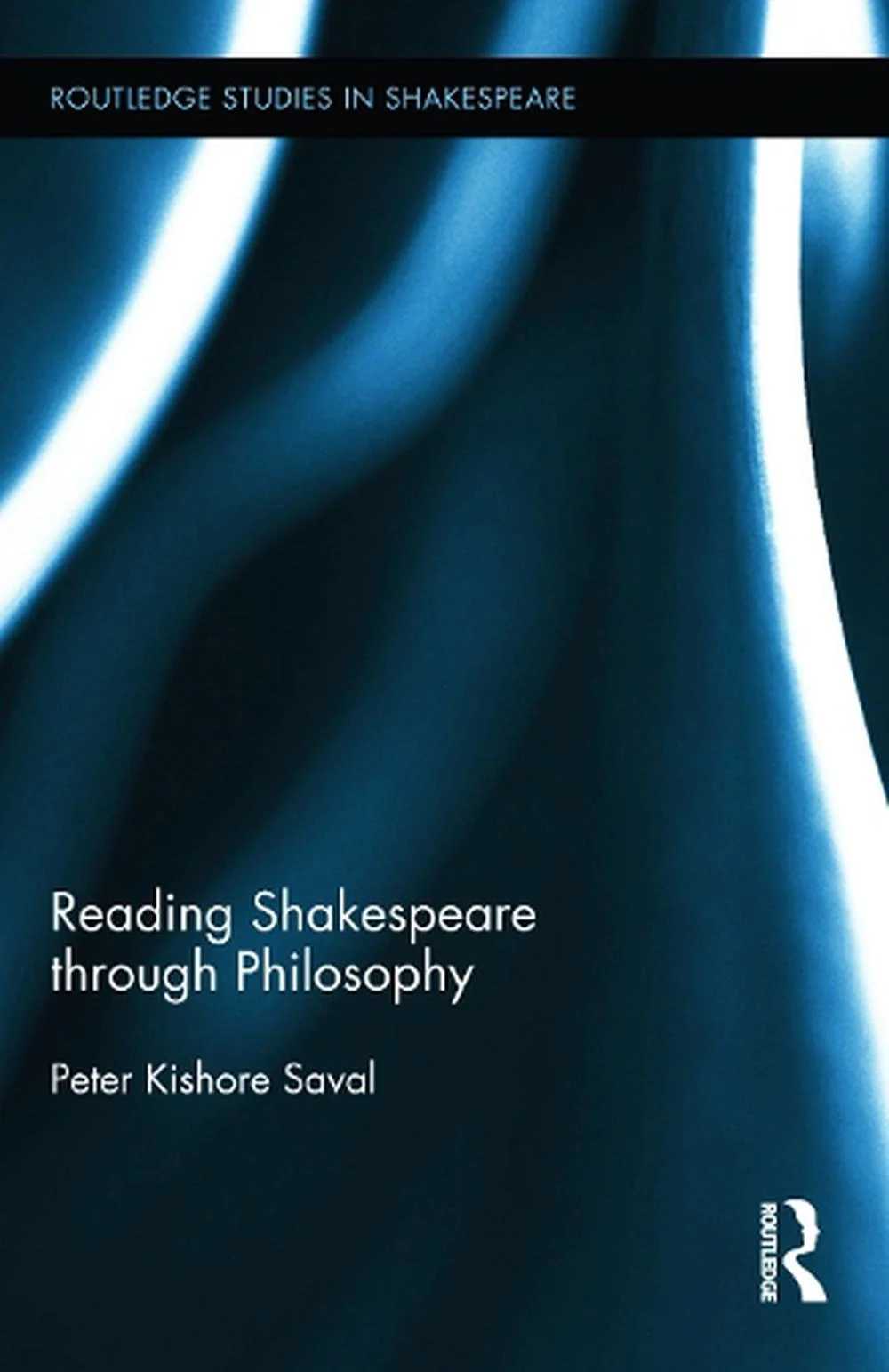
Description
Reading Shakespeare through Philosophy advocates that the beauty of Shakespearean drama is inseparable from its philosophical power. Shakespeare’s plays make demands on us even beyond our linguistic attention and historical empathy: they require thinking, and the concepts of philosophy can provide us with tools to aid us in that thinking.
This volume examines how philosophy can help us to re-imagine Shakespeare’s treatment of individuality, character, and destiny, particularly at certain moments in a play when a character’s relationship to space or time becomes an enigma to us. The author focuses on the dramatization of seemingly magical relationships between the individual and the cosmos, exploring and rethinking the meanings of 'individual', 'cosmos' and 'magic' through a conceptually acute reading of Shakespeare's plays.
This book draws upon a variety of thinkers including Plato, Aristotle, Leibniz and Kant, in search of a revitalized philosophical criticism of Julius Caesar, Love’s Labor’s Lost, The Merchant of Venice, Timon of Athens, and Twelfth Night.