Reimagining Constancy in the English Civil Wars
Reimagining Constancy in the English Civil Wars exposes writers' reliance on conservative language during one of the most radical periods of English history. In case studies of both familiar genres such as the country house poem, love lyric, and epic, as well as understudied ones like the emblem book and prose romance, it shows how the conservative language of "constancy" was used to justify opposing positions in the period's most pressing controversies, including monarchical rule, ecclesiastical order, Catholicism, and England's relationship to the wider world.
At the same time, writers like John Milton, Andrew Marvell, Hester Pulter, Percy Herbert, and others establish the virtue's importance to literary tradition, as they use "constancy" to retain, yet reimagine inherited formal structures and strategies. This book thus uses women's writing and non-canonical texts to highlight cross-factional conservatism and international investment in what scholars often describe as the "English Revolution".
Original: $59.00
-65%$59.00
$20.65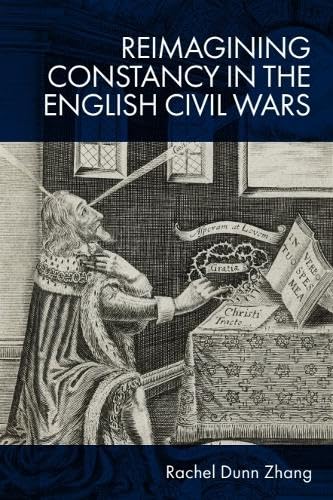
Description
Reimagining Constancy in the English Civil Wars exposes writers' reliance on conservative language during one of the most radical periods of English history. In case studies of both familiar genres such as the country house poem, love lyric, and epic, as well as understudied ones like the emblem book and prose romance, it shows how the conservative language of "constancy" was used to justify opposing positions in the period's most pressing controversies, including monarchical rule, ecclesiastical order, Catholicism, and England's relationship to the wider world.
At the same time, writers like John Milton, Andrew Marvell, Hester Pulter, Percy Herbert, and others establish the virtue's importance to literary tradition, as they use "constancy" to retain, yet reimagine inherited formal structures and strategies. This book thus uses women's writing and non-canonical texts to highlight cross-factional conservatism and international investment in what scholars often describe as the "English Revolution".