Sigmund Freud as a Critical Social Theorist
Sigmund Freud as a Critical Social Theorist explores the profound impact of Sigmund Freud's work on the modern world. This collection traces the influence of his psychoanalytic perspective on a wide range of philosophers and sociologists who have built upon his thought.
Known as the "father of psychoanalysis," Freud wrote numerous works where his psychoanalytic perspectives were applied to history, society, religion, and other cultural phenomena. By expanding his psychoanalytic theories into these realms, Freud ensured his place within the disciplines of philosophy, sociology, history, theology, and religious studies, where his works are still studied. His psychoanalytic theories were adopted, revised, and expanded upon by philosophers and sociologists, such as Theodor W. Adorno, Erich Fromm, Herbert Marcuse, Jürgen Habermas, Jacques Derrida, Julia Kristeva, Gilles Deleuze, Judith Butler, Slavoj Žižek, and many others. In some cases, they radicalised the latent political content within Freud's thought, using it to critique modern industrialised capitalism and theorise about the possibility for alternative forms of societies more conducive towards mental health.
Although Freud is often marginalised, or even denigrated, there remain elements within his corpus that are valuable for both diagnosing social problems and addressing them psychoanalytically. This book demonstrates the lasting relevance of Freud's thought across various disciplines as they diagnose a myriad of social issues.
Original: $84.70
-65%$84.70
$29.64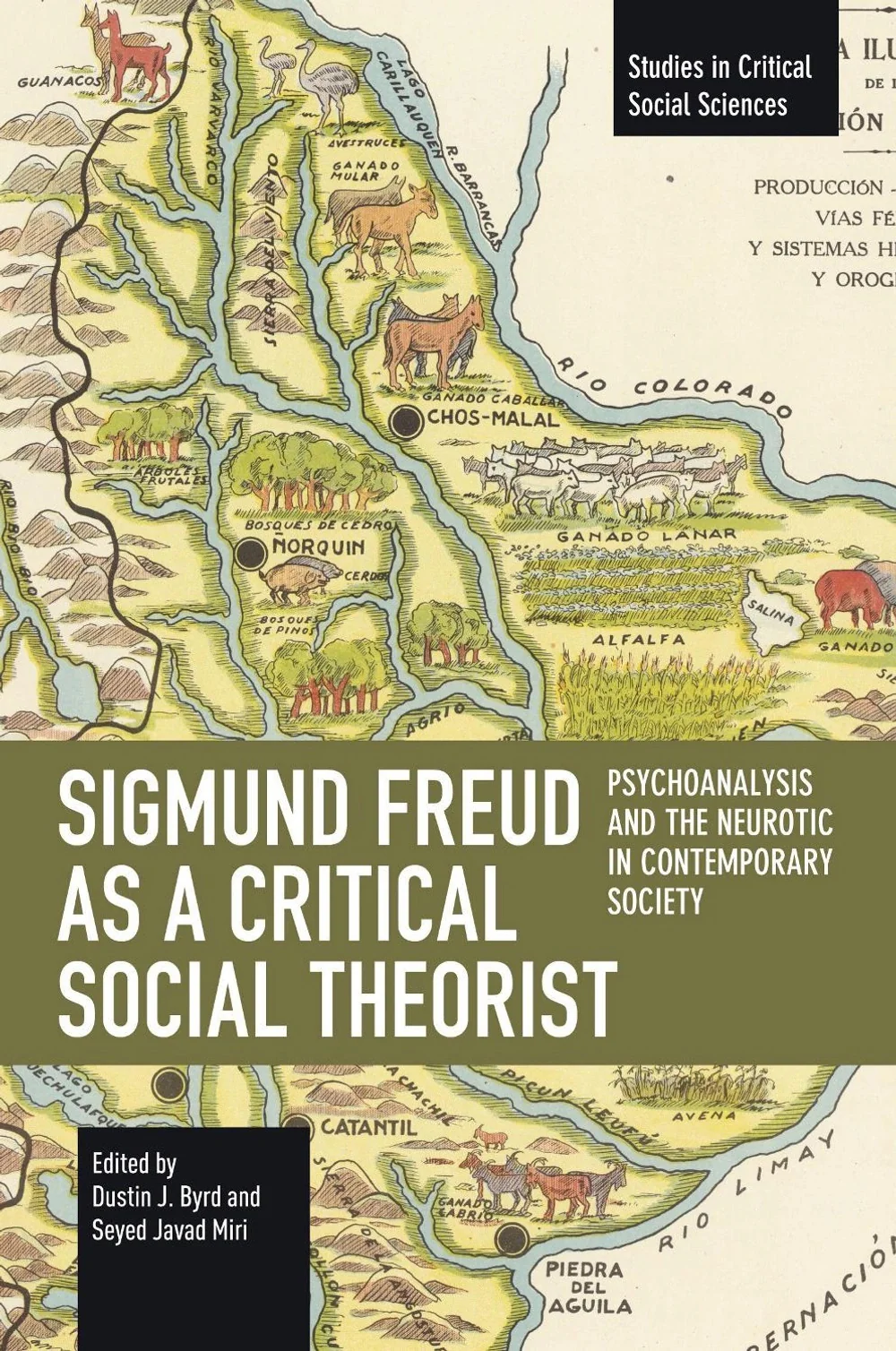
Description
Sigmund Freud as a Critical Social Theorist explores the profound impact of Sigmund Freud's work on the modern world. This collection traces the influence of his psychoanalytic perspective on a wide range of philosophers and sociologists who have built upon his thought.
Known as the "father of psychoanalysis," Freud wrote numerous works where his psychoanalytic perspectives were applied to history, society, religion, and other cultural phenomena. By expanding his psychoanalytic theories into these realms, Freud ensured his place within the disciplines of philosophy, sociology, history, theology, and religious studies, where his works are still studied. His psychoanalytic theories were adopted, revised, and expanded upon by philosophers and sociologists, such as Theodor W. Adorno, Erich Fromm, Herbert Marcuse, Jürgen Habermas, Jacques Derrida, Julia Kristeva, Gilles Deleuze, Judith Butler, Slavoj Žižek, and many others. In some cases, they radicalised the latent political content within Freud's thought, using it to critique modern industrialised capitalism and theorise about the possibility for alternative forms of societies more conducive towards mental health.
Although Freud is often marginalised, or even denigrated, there remain elements within his corpus that are valuable for both diagnosing social problems and addressing them psychoanalytically. This book demonstrates the lasting relevance of Freud's thought across various disciplines as they diagnose a myriad of social issues.